
Restoring facial definition without surgery has never been easier, thanks to modern aesthetic medicine. Today, radiofrequency (RF) energy drives the most effective options for non-invasive skin tightening. Still, choosing between a smooth, non-invasive monopolar system like XERF™ and needle-based traditional RF microneedling can leave you wondering which path makes sense for your face.
Understanding how these two technologies target sagging skin will help you decide which skin tightening approach fits your personal cosmetic goals.
How the Technologies Work
While both treatments use thermal energy to spark new collagen production, they reach your tissue in completely different ways:
-
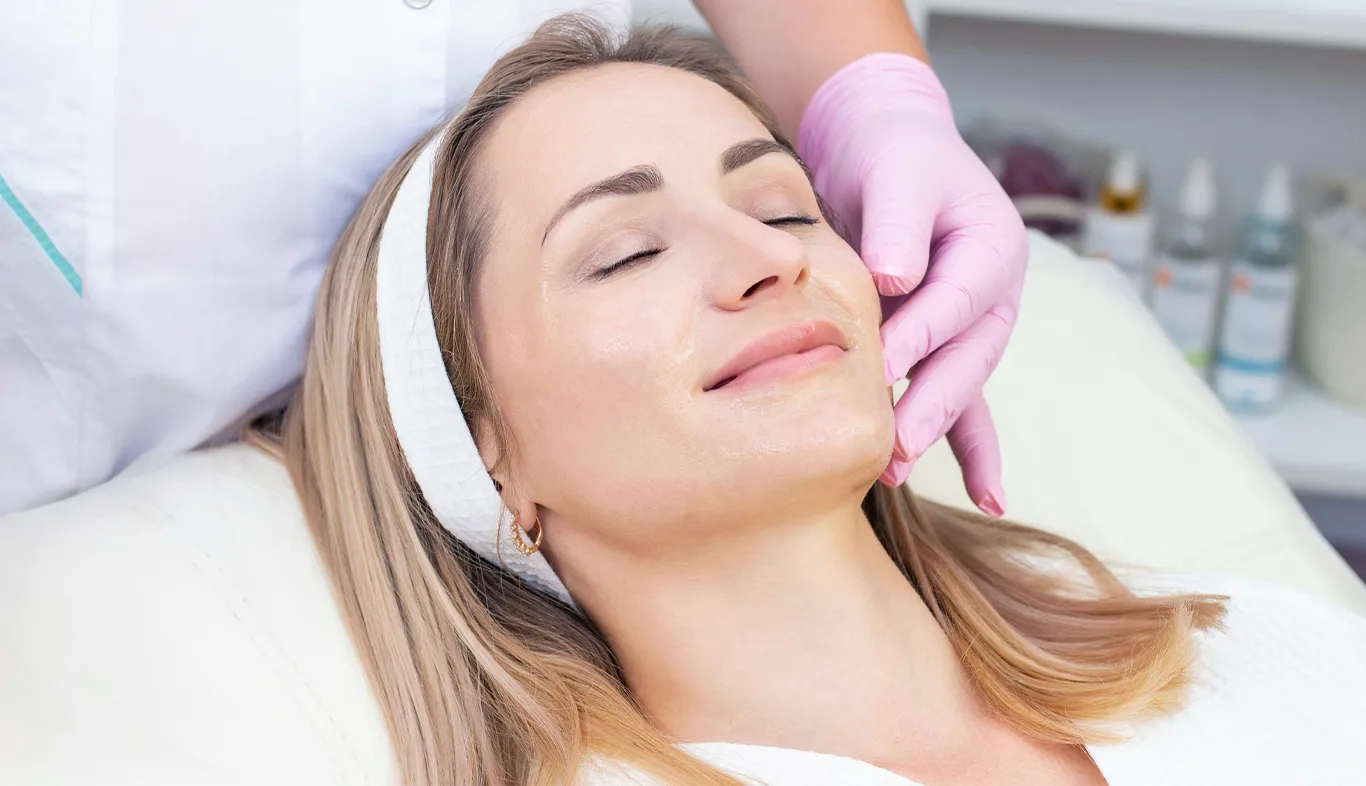
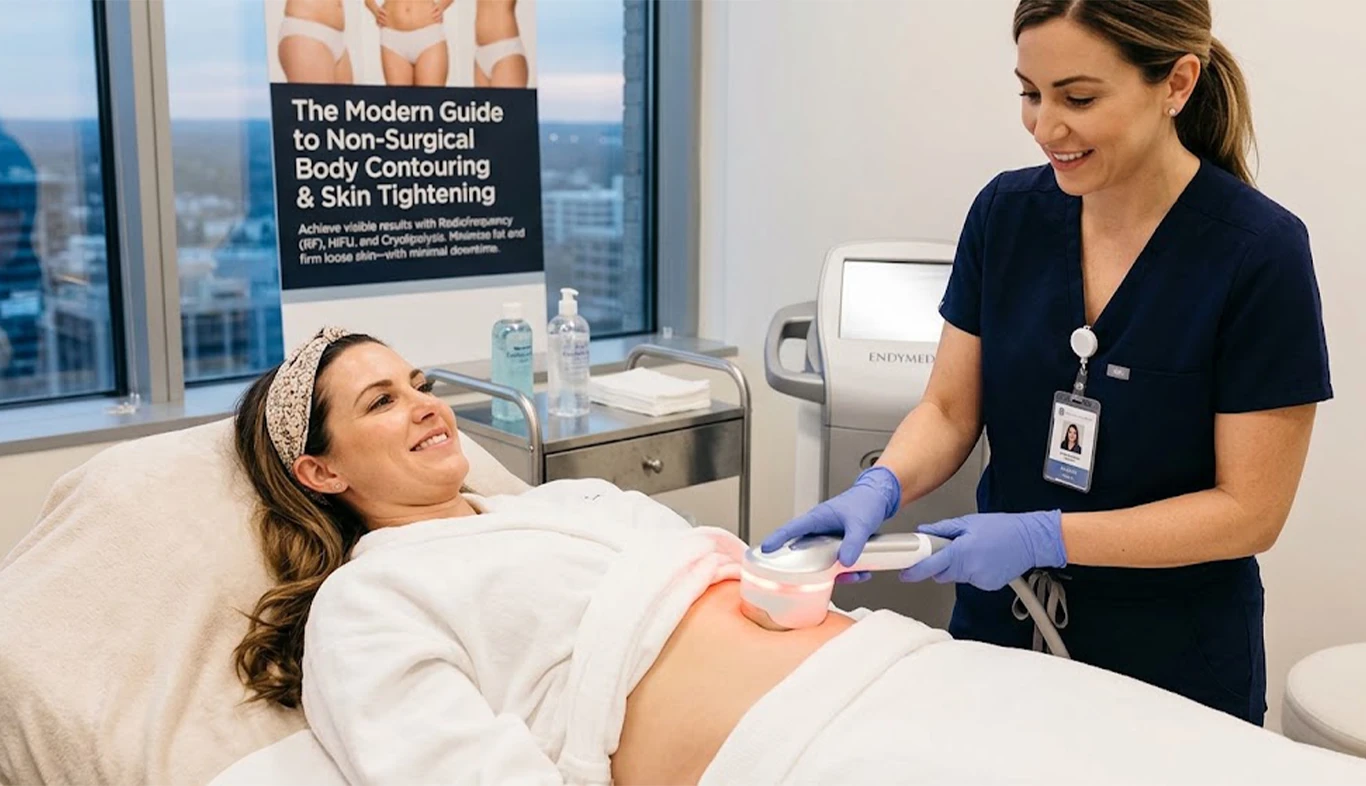
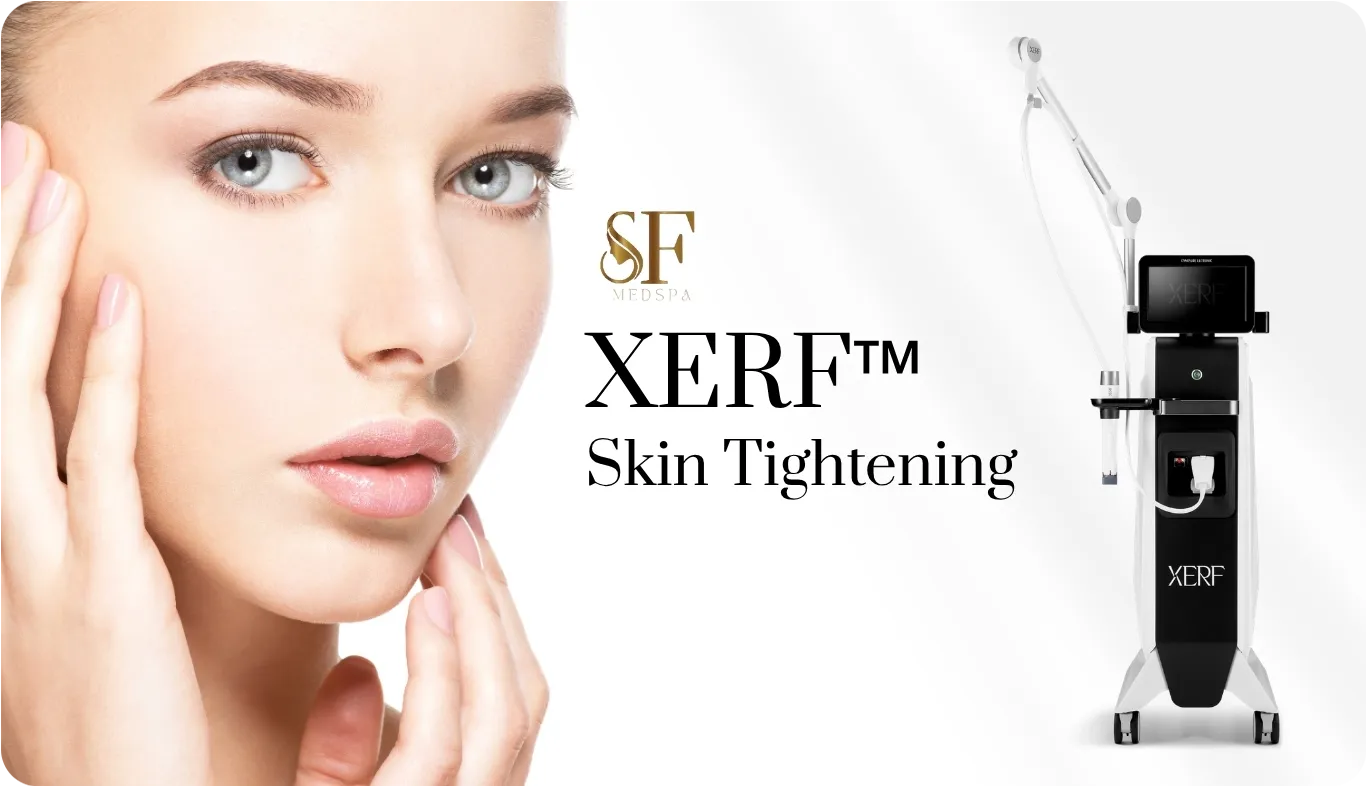
XERF™ Monopolar RF: XERF™ delivers smooth, continuous radiofrequency heat deep into your dermis and underlying connective tissue. Because the handpiece glides gently over your skin, it creates noticeable skin tightening without breaking the skin barrier or needing a single minute of downtime.
-
Traditional RF Microneedling: This method pairs physical microneedling with fractional radiofrequency. Ultra-thin insulated needles pierce the outer skin to deliver heat directly into targeted depths, making it ideal for smoothing out rough texture while offering mild skin tightening.
Key Differences to Consider
Picking the right treatment comes down to your biggest skin concerns, your pain tolerance, and how much downtime your schedule can handle:
1. Surface Effect and Recovery
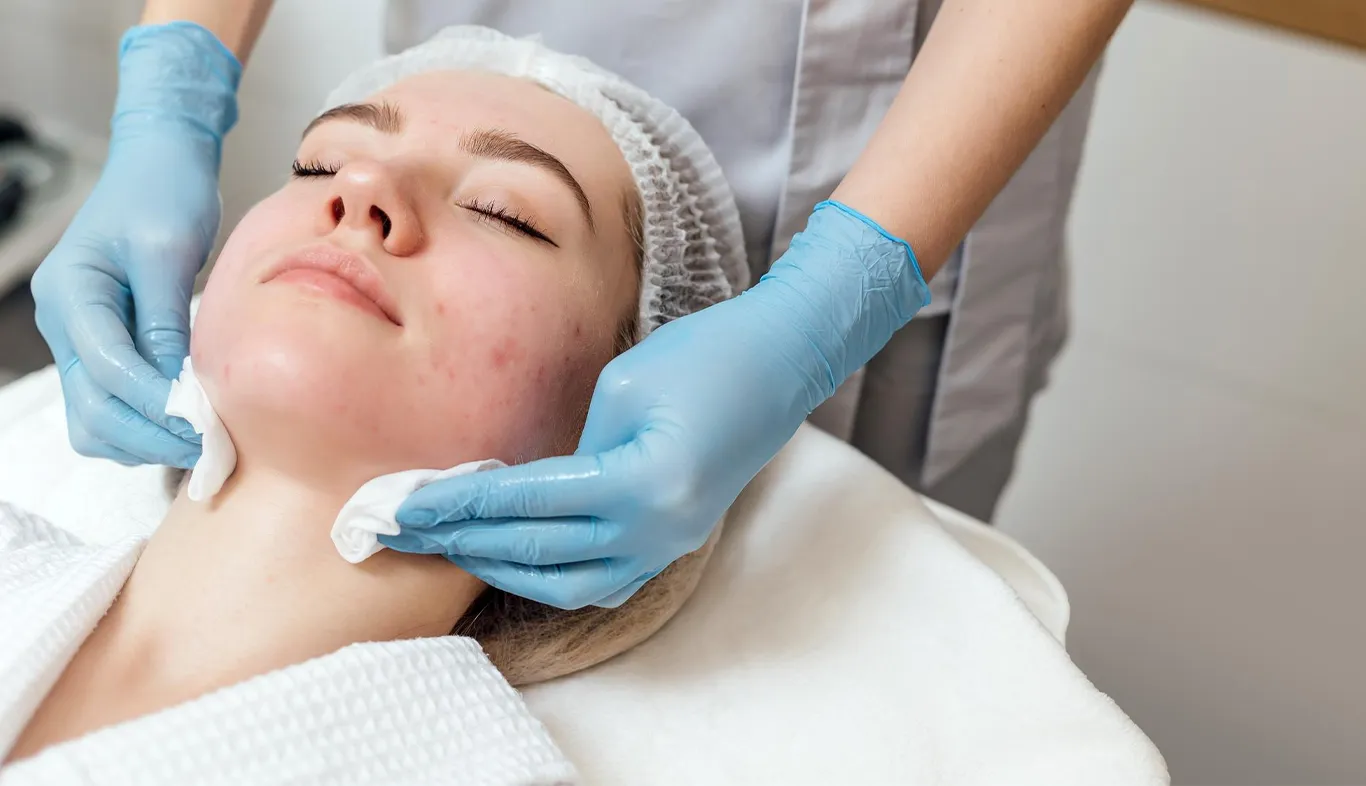
If you can’t take time away from work or social plans, XERF™ is the clear winner. Because it slides across the skin surface smoothly, you won’t deal with micro-punctures, grid marks, or peeling. RF microneedling, on the other hand, creates deliberate micro-wounds that bring temporary redness, minor swelling, and tiny pinpoint marks for 3 to 7 days.
2. Treatment Depth and Structural Goals
XERF™ shines when it comes to deep structural lifting. Its monopolar warmth reaches deep into the skin’s support layers, making it a go-to choice for firming jowls, tightening a soft neck, and defining a blurred jawline. RF microneedling focuses more on the top-to-middle layers of skin, excelling at softening acne scars, shrinking enlarged pores, and smoothing fine lines.
3. Comfort Level
Because RF microneedling relies on physical needles, it requires numbing cream and can still cause a few quick pricks or pinches. XERF™ combines uniform warmth with contact cooling technology, making your skin tightening treatment virtually painless and entirely needle-free.
Side-by-Side Comparison
| Feature | XERF™ Monopolar RF | Traditional RF Microneedling |
| Main Goal | Deep structural lifting & firming | Surface texture renewal & mild firming |
| Delivery Method | Smooth monopolar surface probe | Fractional insulated micro-needles |
| Skin Disruption | None (Zero surface damage) | Micro-punctures & grid marks |
| Downtime | None (Immediate recovery) | 3 to 7 days of mild healing |
| Comfort Level | High (Warm massage feel) | Moderate (Requires topical numbing) |
Which Option Is Right for You?
The right choice depends on what you want to refresh:
-
Choose XERF™ if: Your main goals are lifting jowls, firming a loose neck, or tightening overall facial skin without dealing with needles, redness, or social downtime.
-
Choose Traditional RF Microneedling if: You want to treat mild skin looseness alongside surface issues like acne scarring, rough texture, or stubborn fine lines.
Frequently Asked Questions (FAQs)
Can I combine XERF™ and RF Microneedling?
Yes! Many patients benefit from a customized plan where XERF™ targets deep structural sagging and RF microneedling addresses surface texture and scars.
How many sessions of XERF™ will I need?
While many notice an immediate tightening effect due to existing collagen contraction, a series of 3 to 4 sessions is typically recommended for long-lasting collagen regeneration.
Ready to Refresh Your Skin?
Schedule a consultation with our medical aesthetic experts today to determine whether XERF™ or RF Microneedling is the perfect match for your skin goals.